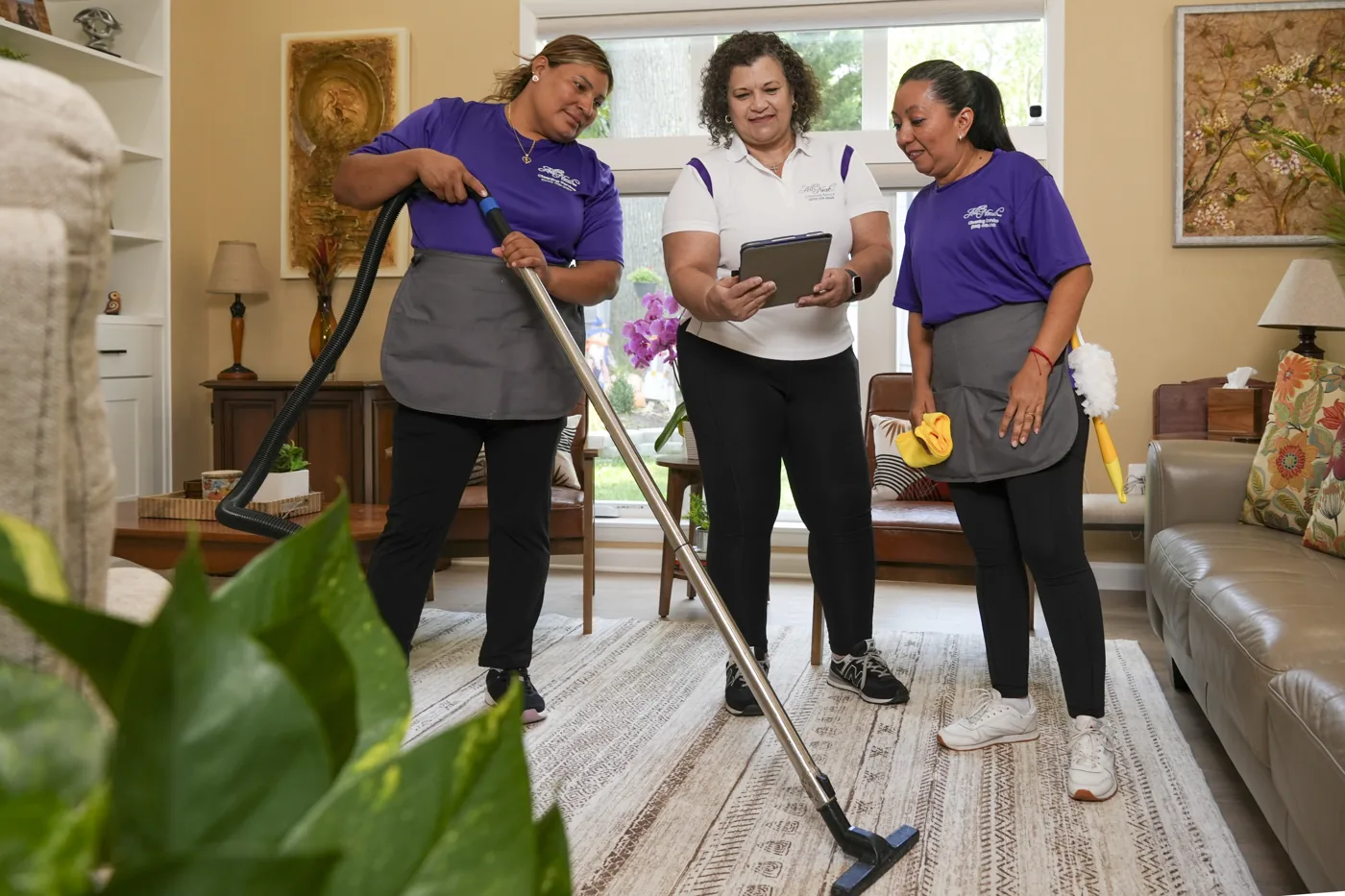
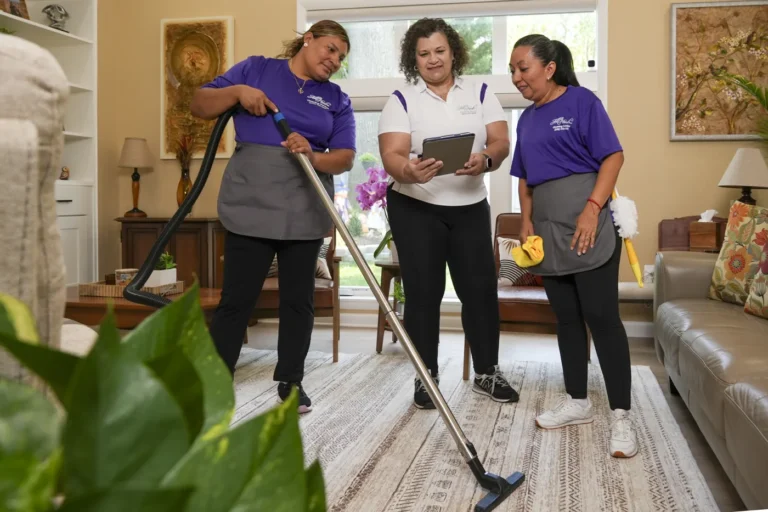
A home cleaning schedule works when you can repeat it. Divide the work into small daily resets, recurring weekly priorities and occasional detailed projects. Then adjust the plan to your rooms, household use and available time instead of trying to copy somebody else’s perfect routine.
Use this guide to combine organizing and cleaning without confusing the two. It also explains where professional maintenance can fit. A sample schedule is a starting point, not a promise that a fixed number of minutes or a single frequency will suit every home.
Build your home cleaning schedule around priority rooms
Walk through the home and identify the spaces you use every day. List the kitchen, bathrooms, bedrooms and living areas that need regular attention. Note guest rooms or storage spaces that have different needs. Give each task a realistic owner and a frequency you can sustain.
Separate urgent messes from routine upkeep and larger projects. A spill should not wait for a weekly appointment; an unused closet does not have to compete with the kitchen before dinner. A short list that gets repeated is more useful than a long list you avoid.
Daily reset: prepare the home for tomorrow
Choose a convenient point in the day to put away items from shared surfaces, deal with dishes and return belongings to their places. Address visible spills with a method appropriate to the surface. Empty a wastebasket when needed rather than treating every bin as a daily task.
In bathrooms, put personal items away so the sink and counter remain accessible. At the entry, keep shoes and bags from blocking the path. If time is short, finish one priority area and stop; unfinished optional tasks can stay on a separate list.
Weekly priorities: group repeating chores
Set aside a repeatable time for bathroom cleaning, accessible dusting and appropriate floor care. Include kitchen surfaces and appliance exteriors in your plan. Adapt the frequency to how the rooms are used; some tasks may need attention more often and others less often.
Keep bathroom and kitchen cloths separate and care for tools according to their instructions. Work from accessible higher surfaces toward the floor so you do not immediately repeat floor cleaning. Check material care instructions rather than using one product everywhere.
Occasional projects: keep a separate list
Review detailed tasks such as appliance interiors, cabinet interiors, window cleaning or seasonal storage individually. Follow manufacturer instructions and consider whether the work needs a specialist. Do not turn a maintenance visit into an unplanned restoration or high-access job.
Instead of assigning every project an arbitrary annual deadline, note its condition and the practical time needed. Confirm the scope, access, safety requirements and cost before hiring help. Work such as gutters, pest issues, extensive mold concerns or moving heavy appliances should not be assumed to be ordinary house cleaning.
Organize first where belongings block access
Give frequently used items a convenient home and label storage where it helps the household. Start with one drawer or surface instead of emptying every cupboard at once. Decide what you want to keep before buying more storage containers.
Clear access to areas that need cleaning and protect personal documents or valuables. Organizing is a separate request from cleaning; confirm whether it is available rather than expecting a cleaning team to decide what to discard or where everything belongs.
Choose products for the surface and the task
Read the cleaner’s label and the material’s care instructions. Use the specified amount and follow ventilation and other precautions. Never mix cleaning chemicals, and store products in their original containers. A homemade or natural label does not establish that a recipe is safe for every material.
Our eco-friendly cleaning tips explain how to think about labels and product preferences. For a professional appointment, describe delicate finishes and any product restrictions before the visit.
Fit professional cleaning into the schedule
Professional help can take agreed recurring tasks off your list, while the household manages daily resets between appointments. Compare weekly, biweekly and monthly house cleaning and consider what you can realistically maintain between visits.
All Neat offers regular cleaning and deep cleaning. Describe current buildup, priority rooms and any extras so the team can discuss the initial visit separately from ongoing upkeep. Confirm tasks and availability before choosing a routine.
Questions about home cleaning schedules
How long should my daily cleaning routine take?
There is no fixed time that works for every home. Choose a manageable set of priority tasks, see how it fits your day and simplify it if it repeatedly goes unfinished.
Is biweekly cleaning enough?
It can be a practical starting point when your household can manage upkeep between visits. Consider how quickly bathrooms, floors and the kitchen need attention, then discuss an agreed checklist and preferred schedule.
What should I tell a cleaning provider before the first visit?
Share the address, approximate size, bathrooms, current condition, access arrangements and priority tasks. Name requested extras separately and mention rooms or materials that need special handling.
Make the plan specific to your home
All Neat serves residential customers across its confirmed DC, Maryland and Virginia service area. Use our room-by-room recurring cleaning checklist to prepare your request and our cleaning cost guide to compare estimate factors.
Request your personalized cleaning estimate or call (202) 499-4572. Choose the support that makes your schedule easier to maintain, with the actual scope agreed before the appointment.